
Written by: Saravanan Manickavasagam
Translated by: Kayal.S.
Tamils proclaim the presence of two types of literature, one being solemn and the other meant for the masses. As far as I know, fiction is both literary and non-literary in nature. Let’s keep non-literature aside and focus on literature.
What is literature? Beauty lies in the eyes of the beholder and can we say that literature is what one experiences? Literary sensibility, like any other art, is acquired through consistency in reading (a habit in fact).
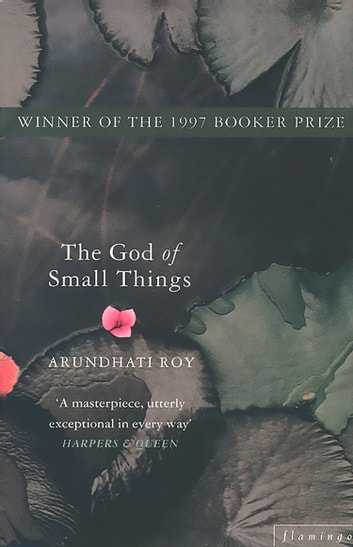
The first requirement of literature is the empathy shown by the reader. Even in mass literature, people seem to empathize as if they watch television series. This empathy, I mean, is like a woman who strongly believes in values and still approaches the woman character in the story who violates those, with compassion. Arundhati Roy, in her novel, ‘God of Small Things’, has given a three-page graphical description of Ammu’s relationship with a so-called low caste. But since you have already become Ammu by then, you start making justifications, one after the other, from her viewpoint. This is the phase that Perumal Murugan failed in Maathorubaagan. Neither the novel nor you as a reader, is going to put across the question as to why Sengamma needed to go to such lengths to meet Palani.
Second, there are those things that should be internalised much more than that is being told. The story titled ‘Senbaga poo’ ends with the line that she goes to her in-law’s house. I was a schoolboy when I first read this story and all day long I was wondering why did she take that decision. The space an author creates between the lines is essential to literature.
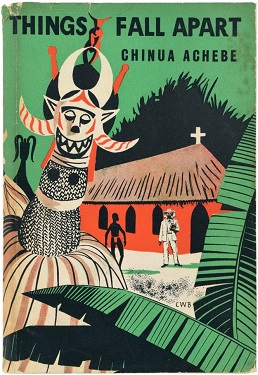
The third, literature takes you to a world you never knew otherwise. Novels such as ‘Things Fall Apart’, ‘Half of a Yellow Sun’ take you by the hand to Africa. Many of the works of the Victorian period can take you to unknown lands, to the centuries, long before you were born. This is how literary readers enjoy the exclusive privilege of living many lives.
Fourth, literature transforms itself according to the seasonal changes. You bypassed Kalki and Saandilyan rather effortlessly. You are not the school kid who read Alice in Wonderland anymore. When you read novels such as Mogamul and Pallikondapuram during different phases of your life, the word remains old and the flavour is anew, though.
Fifth, When you resort to writing about issues unknown to you fabricate things based upon your whims and fancies, it would instantly expel a refined reader away, with great force. Jane Austen is invariably included in anyone’s list of greatest writers. Beyond the eighteenth-century English villages and snobbish women, what do we have in entire the list of novels she has penned? Did she ever write with the astonishing variety of Charles Dickens? Just because Austen used the world she knew best as the plot, added the people she saw and wrote her stories, she is held high in literature till today. When we tend to write about American life, residing in India, the artificiality in the writings of Balakumaran creeps in inevitably.
Sixth, despite being adorned with good plots, many works in Tamil are denied the literature status they deserve, ending up as mere news reports, owing to their poor presentation. Literature is not just reporting news. Very many novels and writers could be quoted as examples. But, let’s leave it at that.
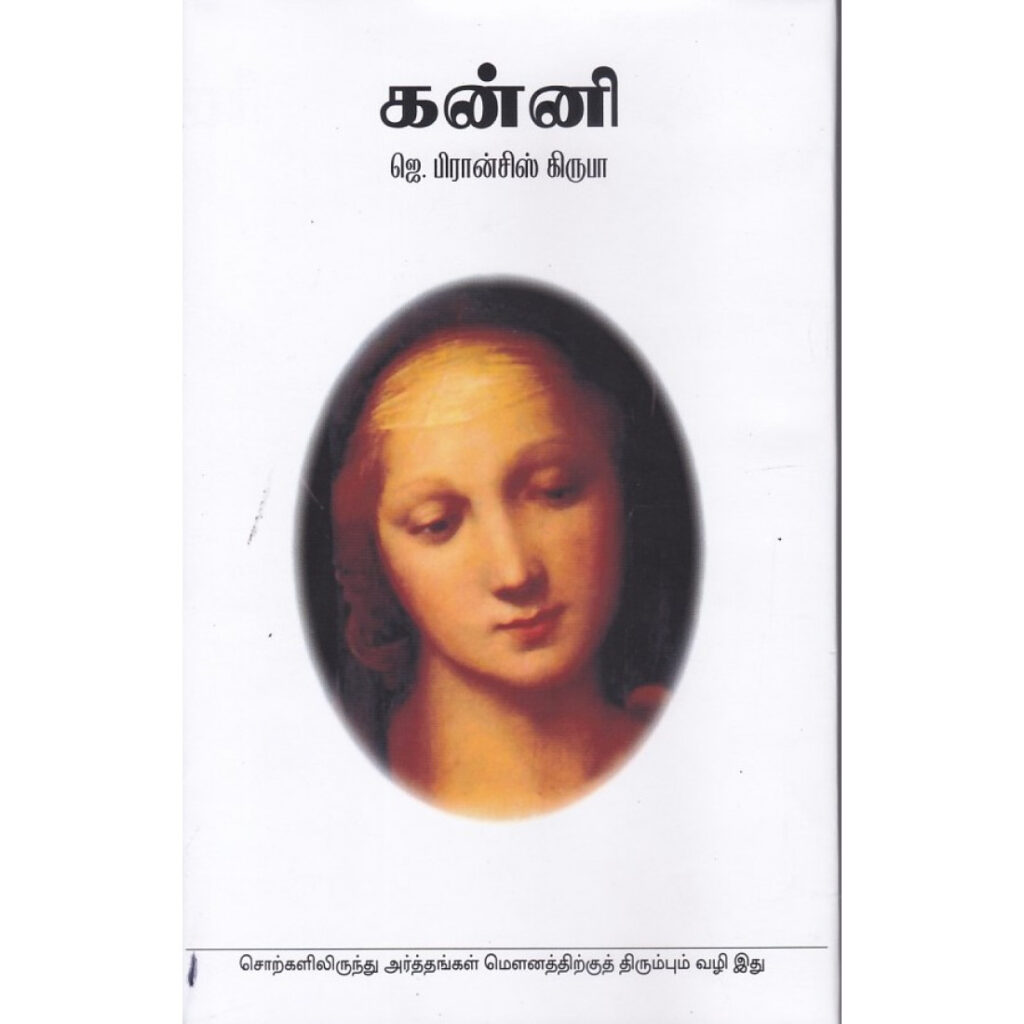
The seventh is the style of narration. The beauty of literature is in the narrative style. The magnanimity of the novel ‘Kanni’ lies in its writing style. But many of us (writers and readers as well) have the delusion that language suffices the creation of literature.
Eighth, the freedom enjoyed in writing fiction. None are checking for logic in a story belonging to the fantasy category and the same is the case with mass narratives. Where literature is concerned, writing without logic is equivalent to someone telling the mother of four children that they were born to the same parents and their brother was older than them by five months.
Ninth, literature is the mirror of our life. The image it shows us is beautified to some extent. While the creativity of the writers transform their experience into literature, others transform the very same into mass reading.
Tenth, literature might provide answers and new openings to the unknowable questions we have been seeking throughout our lives.
Mass writing can never achieve this.
Finally, does fiction alone mean literature? If that’s the case do you imply that Shakespeare’s Sonnets aren’t to be considered as literature?
Much more tenets could be quoted by others and I would like to put forth the fact that this is an article meant for contemplation and not exhaustive in itself.
Absence of even a single one of these components could lead to dissonance in literature. Should a writer master all these skills, to be a part of literature?
When you claim to have learnt driving, your eyes are not only on the road, but also at the slippery ‘mundhaanai’ of the sari worn by the person sitting next to you. Your lips are engaged both in responding to the queries and asking queries as well, to break the occasional silence. Your hands are changing the gear according to the speed of the car, holding the steering wheel and ensuring that accidents don’t occur, your feet dancing between the accelerator, brake and clutch while the nose is busy identifying the fragrance of the perfume it had just inhaled. With so much happening in and around, you state that you were just driving.
***
About the Author
Author:
Mr. Saravanan Manickavasagam, is a retired Bank officer, voracious reader and literary critique.
Translator:
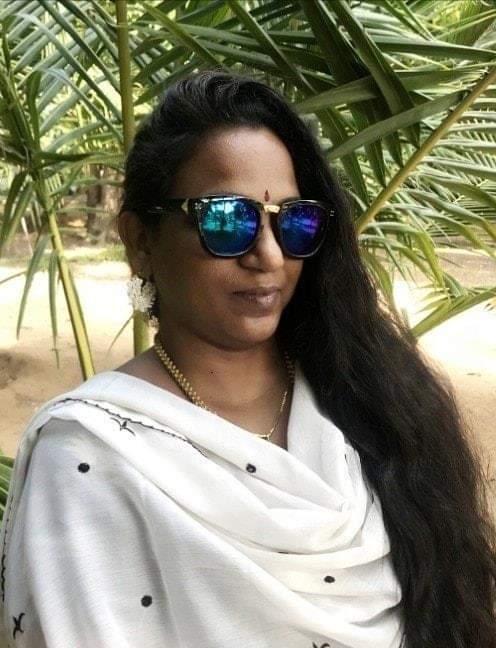
Dr. S.Kayal, writer, poet and translator has published 5 poetry books and translated 2 short story collections, one the very first of its kind in Tamil, as it is by Tibetan authors and other, American short stories. A novel by yet another renowned author is to be released shortly. She is currently serving as Assistant professor in the Department of Commerce at Muthurangam Government Arts College, Vellore.

